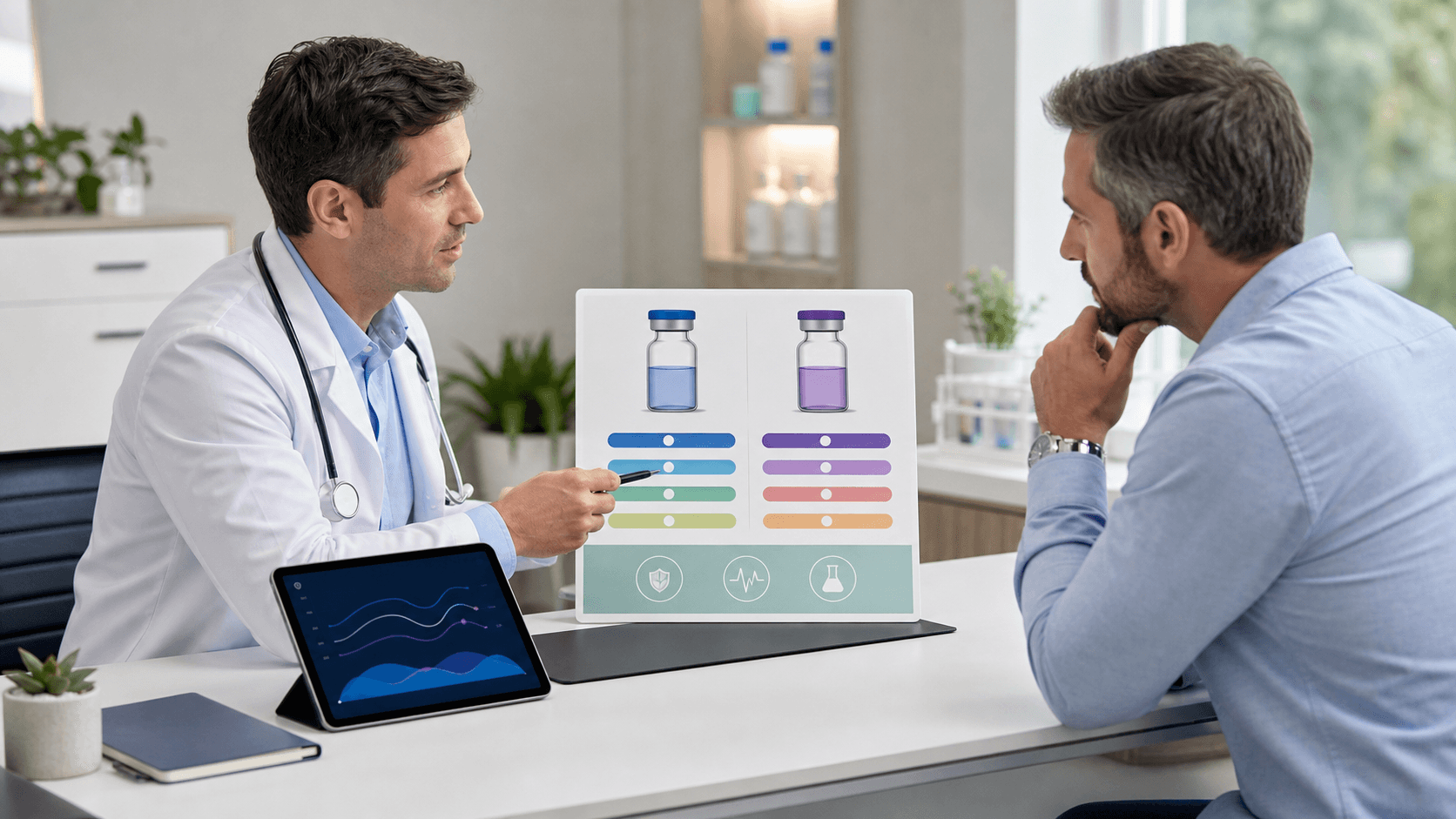

Peptide-Based Brain Support Patients Are Asking for
Many patients are clear about what they want right now: better focus, steadier mood, and the mental energy to keep up with life. As the weather heats up, people feel summer burnout, long days, and pressure to stay productive. Then they start thinking ahead to the push of fall and the end of the year, and they want their brains ready.
That is where structured peptide therapy protocols can help. When used inside a thoughtful functional medicine plan, peptides can support memory, attention, motivation, and mood. They are not magic, but with clear protocols, they can become a practical tool you can offer without rebuilding your whole practice model.
At Red River Health and Wellness, we work with licensed physicians and functional medicine clinics that want to add peptide therapy safely and efficiently. Our goal is to give you turnkey support, so you do not have to write every protocol, form, and workflow from scratch.
Why Peptides Matter for Cognitive and Mood Health
Peptides are short chains of amino acids that can signal the body to perform specific jobs. In brain health, some peptides are being used by clinicians to support pathways that are often stressed in patients with brain fog or low mood.
Many protocols are built around key targets such as:
- Neurotrophic factors that support brain cell health
- Neurotransmitter balance and receptor sensitivity
- Mitochondrial function and cellular energy in the brain
- Neuroinflammation and oxidative stress
When these areas are out of balance, patients describe trouble like slow recall, losing words, poor focus, or feeling emotionally flat. Clinical goals for peptide therapy protocols often include:
- Supporting working memory and recall
- Improving mental stamina through the day
- Supporting resilience under chronic stress
- Helping stabilize mood in appropriate patients
Peptides are not meant to stand alone. In a functional medicine setting, they fit beside nutrition, movement, sleep, hormone balance, gut work, and stress tools. Many clinics find that peptides can be a helpful extra layer when basics are already in progress but symptoms are still stubborn.
Core Peptide Therapy Protocols for Cognitive Support
When you think about peptide therapy for cognition, it helps to group protocols by what they are targeting rather than by individual compound names. Common clinical categories include:
- BDNF and neurotrophic-focused protocols that aim to support plasticity and learning
- Mitochondrial supportive strategies that focus on cellular energy in the brain
- Cerebrovascular-supportive approaches that look at blood flow and oxygen delivery
These protocol families can be useful in common office scenarios, such as:
- Patients with lingering brain fog after illness
- Adults noticing age-related changes in focus or recall
- High-demand professionals who rely on mental output all day
- Caregivers juggling work, family, and emotional load
Well-structured peptide therapy protocols usually spell out:
- Starting doses and titration steps
- Time of day for dosing, such as morning for alertness-focused support
- Typical duration, often in the range of several weeks at a time
- Built-in cycling and off-periods when appropriate
- Reassessment points to review goals and safety
This kind of structure protects both safety and efficiency, especially in a busy practice. At Red River Health and Wellness, our physician-only materials include clinical documentation, patient selection criteria, and monitoring templates. This helps providers feel more confident when they bring cognitive peptide protocols into the daily workflow.
Targeted Peptide Strategies for Mood, Stress, and Sleep
Cognitive complaints rarely show up alone. Many patients carry a mix of brain fog, low motivation, poor sleep, and stress overload. That is why mood-focused peptide therapy protocols are becoming part of brain-forward care.
Typical clinical situations where mood-directed peptides may be considered include:
- Chronic stress and burnout from work or caregiving
- Seasonal mood dips as daylight shortens heading into fall
- Low drive and motivation in people who feel "stuck"
- Emotional ups and downs that make daily life harder
Peptide strategies for these patients are often built around:
- Supporting HPA axis balance and stress signaling
- Shifting GABA and glutamate balance toward calmer tone
- Addressing neuroinflammation that can feed irritability or low mood
- Supporting circadian rhythm to promote more stable sleep-wake cycles
Because these systems touch so many parts of health, safety has to sit at the center of any protocol. Thoughtful mood and sleep peptide plans include:
- Clear contraindications and red-flag symptoms
- Medication and interaction screening, especially with psychiatric drugs
- Baseline labs and history to rule out urgent issues
- Planned follow-ups that track sleep quality, anxiety levels, and subjective mood scores over time
This kind of framework keeps peptide therapy grounded in careful clinical practice, not trial and error.
Integrating Peptide Therapy Protocols Into Your Workflow
The biggest barrier for many clinics is not interest, it is time. You may believe in the science, but you still have tight schedules and limited staff bandwidth. So the key is to integrate peptide therapy protocols into systems you already use.
A practical starting point is to define your ideal patient profile for cognitive and mood protocols. For example:
- Adults with persistent brain fog after you have addressed basics
- High-functioning professionals who want support through seasonal or work transitions
- Patients already engaged in lifestyle and nutrition changes who are open to structured follow-up
From there, you can weave peptide options into mid-year wellness programs or brain health packages. Simple scripting helps your team talk about them clearly. Front-desk staff might explain them as "structured, evidence-informed protocols your provider may recommend for focus or mood support when it fits your care plan."
We often suggest a steady intake and follow-up rhythm, such as:
- Baseline visit with focused cognitive and mood history
- Week 4 check-in to monitor early shifts and safety
- Weeks 8 to 12 assessment to decide on cycling, continuation, or change
- Seasonal check-ins, especially going into fall, for patients sensitive to short days
Standardized symptom trackers and short cognitive or mood questionnaires can be added to your EMR templates. At Red River Health and Wellness, we support clinics with ready-to-use protocols, fulfillment support, and provider education so new services fit smoothly into existing operations instead of overwhelming your team.
Take the Next Step Toward Brain-Forward Care
Cognitive and mood complaints are no longer edge cases. For many clinics, they are the norm. Yet traditional options do not always match what patients are asking for, especially those already curious about peptide therapy and functional approaches.
Thoughtful peptide therapy protocols give you another layer to work with. They can help fill the gap between "you are fine on paper" and "you feel clear, steady, and productive," especially in patients dealing with ongoing brain fog and stress.
At Red River Health and Wellness, based in the Red River region, we focus on helping licensed practices bring this kind of care to life with protocol libraries, case-based education, and implementation support. With the right structure, peptide therapy can move from a topic on your patients' social feeds to a safe, organized part of your clinical toolkit as you prepare for the busy fall season.
Take The Next Step Toward Personalized Peptide Support
If you are ready to move beyond guesswork and follow a clear plan, our team at Red River Health And Wellness is here to help you put safe, effective peptide therapy protocols into action. We will walk you through what to expect, how to track your progress, and when to adjust your approach so you are not navigating this alone. Reach out today to start building a tailored strategy that supports your specific health goals and long-term wellness.